

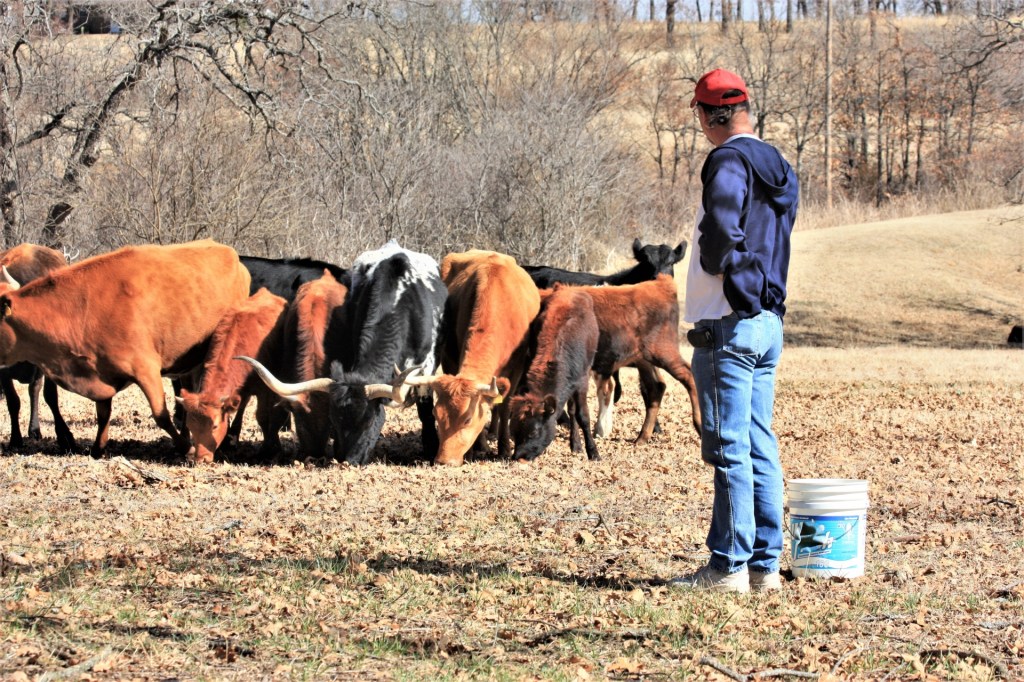
GALVESTON COUNTY — Texas A&M AgriLife Extension is hosting a free seminar on Tuesday, August 19, to educate the public about the New World screwworm, a parasitic fly that poses a significant threat to livestock and pets.
According to Texas A&M AgriLife Extension’s Brock Sanford, the seminar will take place at the Galveston County Extension Office and is open to all interested parties. Lunch will be provided, and attendees are encouraged to register in advance.
What Is the New World Screwworm?
The New World screwworm (Cochliomyia hominivorax) is a parasitic fly that lays eggs in the fresh, living tissue of warm-blooded animals. The larvae (maggots) feed on the host’s flesh, causing severe wounds and often death if untreated. This pest was eradicated in the U.S. in the 1960s but has resurfaced in Central America and Mexico. According to Sanford, it has been detected approximately 400 miles from the U.S. border, raising concerns about its potential spread into Texas.
Why It Matters
The New World screwworm poses a serious threat to Texas’ $15 billion cattle industry and to domestic pets. Early detection and rapid response are crucial to prevent widespread infestations. The seminar will provide information on how to identify signs of infestation, preventive measures, and steps to take if an infestation is suspected.
What to Expect at the Seminar
Sanford says attendees will learn about:
- Signs of New World screwworm in animals
- Proactive livestock management strategies
- Reporting procedures for suspected infestations
- Available control products and treatments
Registration Information
The seminar is free to attend, but registration is encouraged. To register or for more information, visit the Texas A&M AgriLife Extension website: https://agrilifeextension.tamu.edu/new-world-screwworm-fact-sheet/.
Register for the Seminar
https://galveston.agrilife.org/event/new-world-screwworm-seminar/
— Information adapted from Texas A&M AgriLife Extension and authors Phillip Kaufman, Sonja L. Swiger, and Andy Herring
Photo Credit: Sheila Brown, Creative Commons





 KGTX 7 Galveston County