

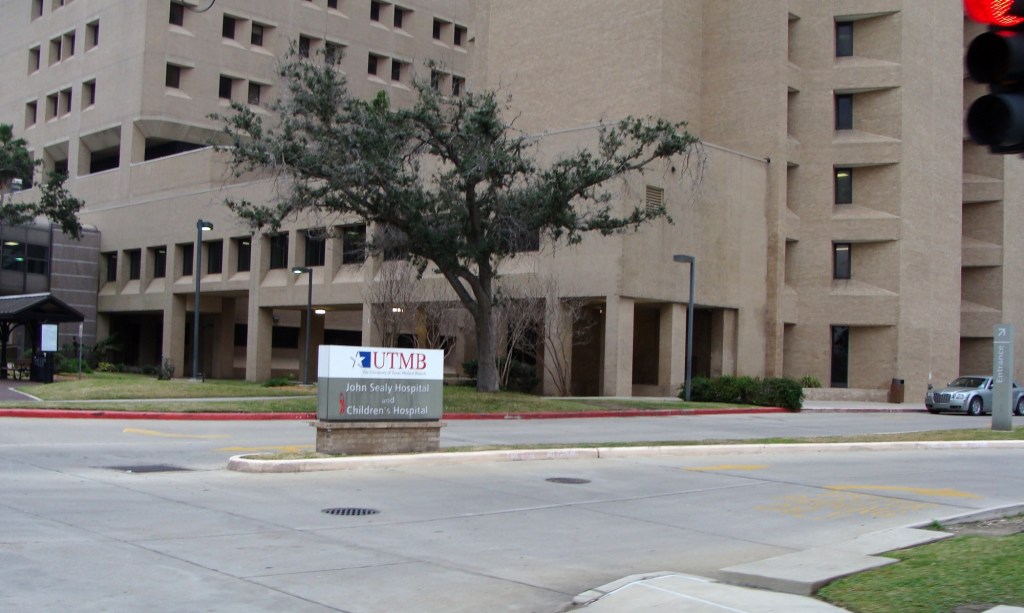
GALVESTON – The University of Texas Medical Branch is revising its controversial paid time off overhaul, adding a new “third option” that gives employees more time to use their banked hours. The move comes after intense feedback from staff and state lawmakers, according to reporting from The Galveston County Daily News.
UTMB President Jochen Reiser, in comments reported by the Daily News, said the third option would let employees use their carried-over PTO gradually over three years — 2026 through 2028 — with one-third allocated each year. Any time not used during a year would be paid out at half the employee’s hourly wage.
Employees choosing this plan would also get a fresh PTO allotment up front in January 2026, but would be limited to carrying over 40 hours annually — a restriction that would not apply to their vested hours.
Reiser said the additional option emerged after “the concept of more time” came up repeatedly during feedback sessions. “We are confident that over 3.5 years people can take all their paid time off or be paid out at 50 percent,” he said, adding that the approach was financially sustainable.
UTMB previously announced two options: immediate enrollment in the MyPTO Max program — with a phased payout of current PTO at 50 percent over three years — or deferred enrollment, allowing employees to use their current PTO at their own pace and receive 100 percent payout at separation. Both options include changes to how much PTO can be carried forward and how new time is accrued.
The changes have sparked criticism from employees, some of whom say the plan breaks an employment promise and forces them to give up benefits they earned. UTMB officials maintain the existing system was too costly, citing a $124 million liability in September 2024 that was projected to grow to $140 million by 2028.
KGTX 7 has reached out to UTMB for further comment and is working to schedule an on-camera interview with Chief Financial Officer Jamie Bailey. Our Consumer Affairs team will continue following the story, including employee reactions to the new third option.





 KGTX 7 Galveston County