

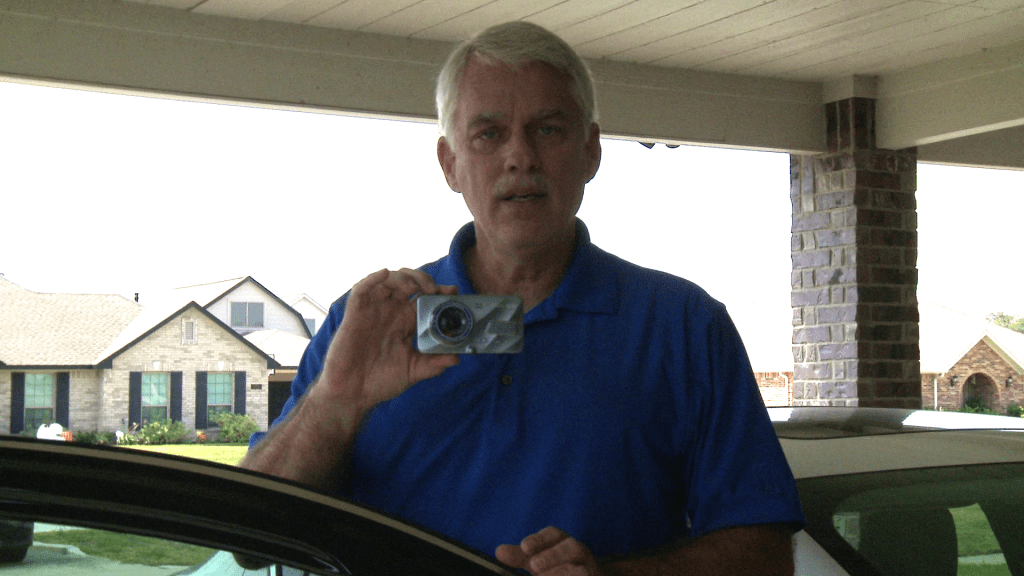
Dash cameras are becoming an increasingly useful tool for drivers, especially when accidents involve disputed liability.
Disputed liability occurs when no one immediately accepts responsibility for a crash, leaving insurance companies and adjusters to determine who is at fault. Dash cams can provide crucial evidence in these situations, helping clarify what happened and which driver caused the accident.
Dash cams are widely available and can range from around $30 to several hundred dollars. Many electronics and car stereo shops sell and install them, but they can also be installed by drivers themselves. A typical setup includes a front-facing camera and, optionally, a rear camera to capture activity behind the vehicle.
For a more permanent installation, dash cams can be mounted to the vehicle’s rearview mirror stem rather than using a suction cup on the windshield. This method keeps the camera discreet and reduces the risk of theft. Wires can be routed neatly along the vehicle’s headliner and connected to a power port, often with a splitter to allow other devices to plug in simultaneously. Rear cameras are typically mounted under the headliner, providing a clear view behind the car.
While dash cams won’t record everything around a vehicle, especially the sides, they usually provide enough information to resolve questions about fault in most collisions. For drivers and insurance adjusters, this evidence can make the claims process faster and less frustrating.



 KGTX 7 Galveston County