


HOUSTON – The Rotary Club of Space Center/Rotary District 5890 are moving forward with a major two-year initiative aimed at combating child sex trafficking across the Greater Houston region, expanding on a pilot program that showed results in Galveston and Brazoria counties as well.
Stan Galansky, Assistant Governor for District 5890 and past president of the Rotary Club of Space Center, said the effort began in 2022 when Rotary leaders partnered with local agencies to determine where their work could have the strongest impact. After reviewing the seven recognized stages of anti-trafficking response—ranging from awareness to recovery and reintegration—Rotary chose to focus on the first three: awareness, prevention, and recovery.
To accomplish that, the organization partnered with Unbound Now, a Texas-based nonprofit specializing in combating the commercial sexual exploitation of youth. The initial collaboration was funded by a $108,000 Rotary Global Grant that allowed the model to be tested across Galveston and Brazoria counties for ten months beginning in 2023.
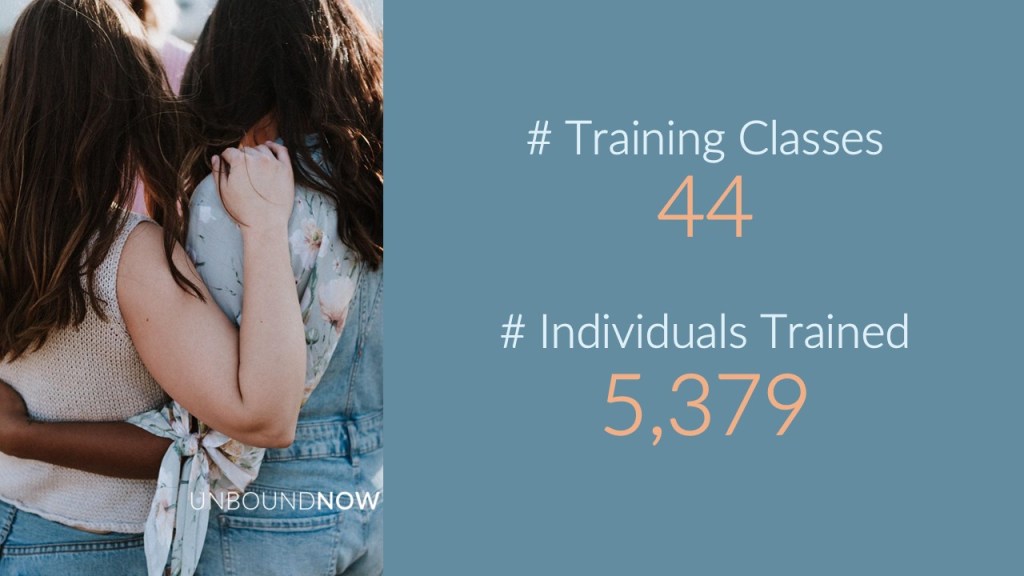
Galansky said the results of that pilot strongly confirmed the need for broader action. Over the course of the program, Unbound Now conducted 44 professional trainings for schools, first responders, churches, and community groups, reaching roughly 5,400 people. They also held 46 youth education classes in local schools, teaching 176 students about trafficking risks, grooming behaviors, and how recruitment often occurs.
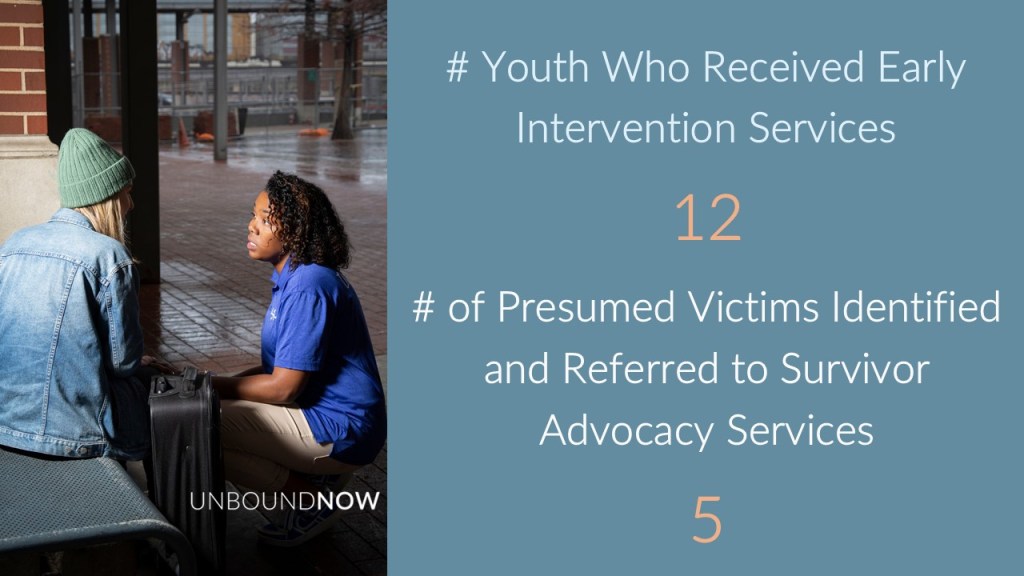
Twelve youths were identified as needing individual support after showing signs of being groomed, and five were confirmed trafficking victims in need of immediate intervention.
“That was just two exterior counties to Houston,” Galansky said. “It showed us very clearly that this model was working, the problem was significant, and we needed to scale up.”


Rotary International agreed. Galansky submitted a new proposal this year for a $304,000 global grant to expand the model into Harris and Fort Bend counties, an area he describes as one of the highest-risk regions in the nation due to major interstate corridors, large airports, the Port of Houston, and a constant influx of convention traffic. Thirteen Rotary districts and twenty Rotary clubs—primarily across the U.S. and Mexico—joined together to fund the project. The partner club on the application is located in Pueblo Industrial, outside Mexico City.
Galansky noted that both domestic and international factors contribute to the trafficking threat. While some victims are recruited from within local schools and communities, others arrive from outside the country. “There are many categories, and you couldn’t say one dominates the other,” he said. Local organizations report a notable rise in trafficking activity tied to the high number of unaccompanied minors entering the U.S. in recent years, but recruitment also occurs within middle- and upper-class neighborhoods through emotional manipulation and grooming.
Under the new grant, Unbound Now will expand its work into a much larger network of schools, hospitals, juvenile detention centers, police departments, and youth-serving organizations across the Houston metropolitan area. Rotary volunteers will also take a more active role. Members will undergo the same curriculum training used in schools, allowing them to assist with awareness sessions and youth outreach while Unbound Now staff focus on trained survivor advocacy and recovery work.
The grant-funded initiative will run for two years and will include quarterly operational reviews, with semiannual or annual public reporting expected as data becomes meaningful. If the expanded program shows results consistent with the pilot, Galansky said the goal is to offer the model to other U.S. metropolitan areas facing similar trafficking challenges.
Rotary officials are currently collecting final materials for the program launch, which is expected to begin in January.
Photo Courtesy: Rotary Club of Space Center/Rotary District 5890



 KGTX 7 Galveston County
You must be logged in to post a comment.