

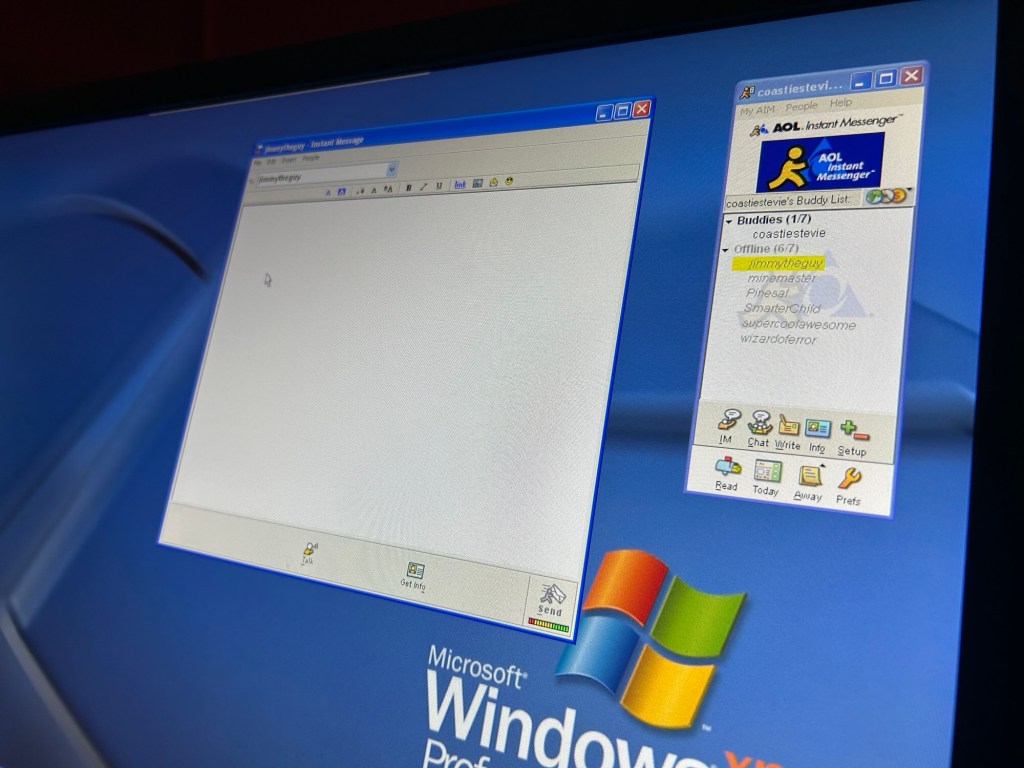
Remember racing home from school, logging onto the family computer, and hearing that familiar door creak open as your buddy list appeared? For many who grew up in the late ’90s and early 2000s, AIM Messenger wasn’t just another app — it was the place where friendships picked up after the final bell rang.
This is a look back at that era, and at how part of that experience is unexpectedly available again today.
AIM, short for AOL Instant Messenger, was once one of the most widely used messaging platforms in the world. Away messages served as early status updates. Screen names were a form of self-expression. Conversations often stretched late into the night, marked by dial-up tones and the unmistakable sound of a buddy signing on or off.
Many people remember that period of the internet with a sense of nostalgia. Online spaces felt smaller and more personal. Social media had not yet become an always-on presence in daily life. Do you remember carefully crafting the perfect away message? Or waiting for one specific name to light up on your buddy list?
Years after AOL officially shut down AIM in 2017, a small tech company called Phoenix Services has found a way to bring parts of it back. The group created independent servers and software patches that allow older versions of AIM to function again.
I tried the revived service and immediately felt a wave of nostalgia. The classic door sound when a buddy signs off is still there. Away messages still appear. Even the layout feels like opening a digital time capsule from the early 2000s.
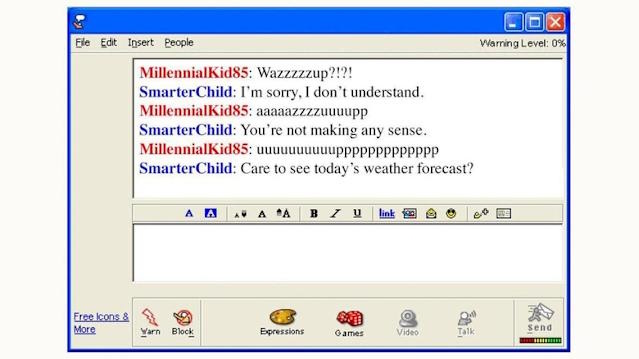
Not every original feature has returned. Chat rooms and AOL email integration no longer work. However, the core functions — direct messaging, adding contacts, and sending files — are active.
Anyone interested can visit the Phoenix Services website, register a new account, and download a compatible version of the AIM software. Because the system runs independently from AOL, original screen names cannot be recovered.
For those who grew up with AIM, logging in again can feel like reconnecting with a small but meaningful piece of internet history. It’s also part of a broader story about how online communication has evolved.
The early 2000s were filled with messaging platforms that defined a generation, including MSN Messenger and Yahoo Messenger. Each had its own sounds, features, and social norms. Nudge buttons, custom status messages, and colorful contact lists were once cutting-edge ways to interact online. Like AIM, those platforms eventually faded as smartphones and social media reshaped how people stay connected.
Looking back at these services highlights how today’s messaging apps — from iMessage to WhatsApp and others — were built on ideas first popularized during that era: status updates, contact lists, custom usernames, and real-time presence indicators.
The technology has changed, but the core idea remains the same. People still want to know who’s online, who’s available, and who might be ready to talk late into the night — even if the notification sound is different now.





 KGTX 7 Galveston County
You must be logged in to post a comment.