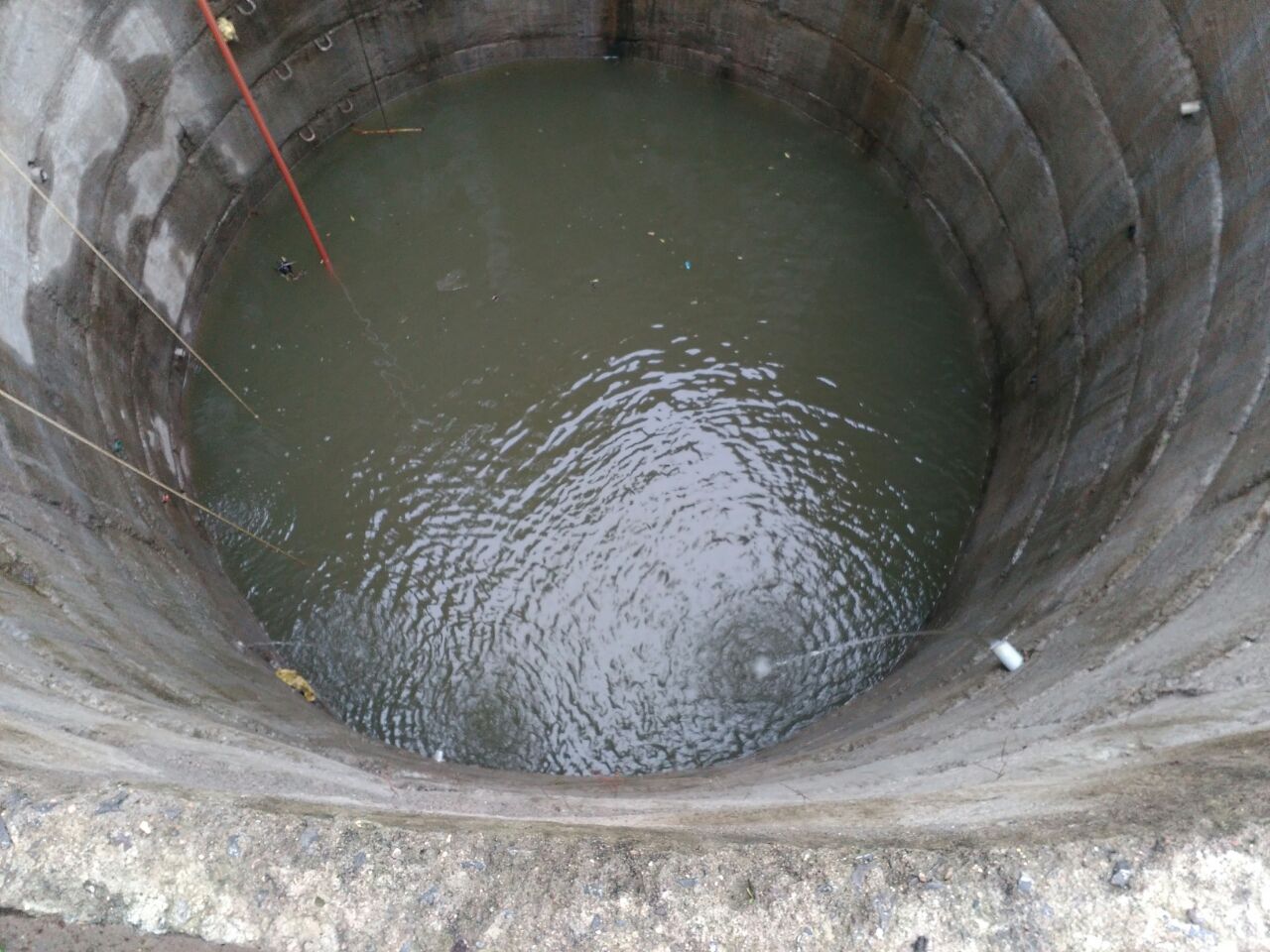
Many residents in rural and semi-rural areas rely on private water wells as their primary source of drinking water. Unlike public water systems, private wells are not routinely monitored or regulated, which makes regular testing essential to ensure water quality and protect household health.
One of the most important contaminants to test for is E. coli bacteria. The presence of E. coli in water indicates that waste from humans or warm-blooded animals may have entered the water supply. When E. coli is detected, it suggests that other harmful pathogens could also be present. Contaminated water can increase the risk of illness, including symptoms such as diarrhea, stomach cramps, nausea, and other gastrointestinal issues.
Another significant concern for well owners is nitrate-nitrogen. Water containing nitrate-nitrogen at levels of 10 parts per million (ppm) or greater is considered unsafe for human consumption. Elevated nitrate levels can interfere with the blood’s ability to carry oxygen throughout the body, resulting in a condition known as methemoglobinemia. Infants under six months of age are especially vulnerable to this condition.
In coastal counties like Galveston, salinity is also an important factor to monitor. Salinity is measured by total dissolved solids (TDS). High TDS levels can cause water to have a salty taste and leave mineral deposits on plumbing fixtures and appliances. For landowners using well water for irrigation, high salinity levels may also damage soil structure and reduce plant productivity over time.
Why Annual Testing is Recommended
Texas A&M AgriLife Extension recommends that private well owners:
- Test their well annually for bacteria.
- Test for nitrates if the household includes infants or if the well is shallow.
- Test following major flooding events, hurricanes, or significant repairs.
- Monitor salinity levels in coastal areas where saltwater intrusion may be a concern.
Heavy rainfall, flooding, and storm surge can increase the risk of contamination, particularly in low-lying areas.
Protecting Your Family and Your Property
If testing identifies contamination, options may include disinfecting the well, installing filtration systems, or consulting a professional for further evaluation. Addressing water quality concerns early can prevent health risks and help maintain a safe and reliable water supply.
Regular well water testing is a simple step that provides valuable information about what is in your water and ensures your family’s drinking supply remains safe.
For more information about well water testing programs or educational resources, contact:
Brock Sanford
County Extension Agent – Agriculture & Natural Resources
Texas A&M AgriLife Extension – Galveston County
(281) 309-5064
Brock.Sanford@ag.tamu.edu
Photo Credit: Suhasajgaonkar, Creative Commons